Chess Club
A "recreational" group dedicated to monitoring rare board states and unauthorized piece movement. We watch the game play itself.
Events
Discover workshops, competitions, and community activities
May 2026(2)
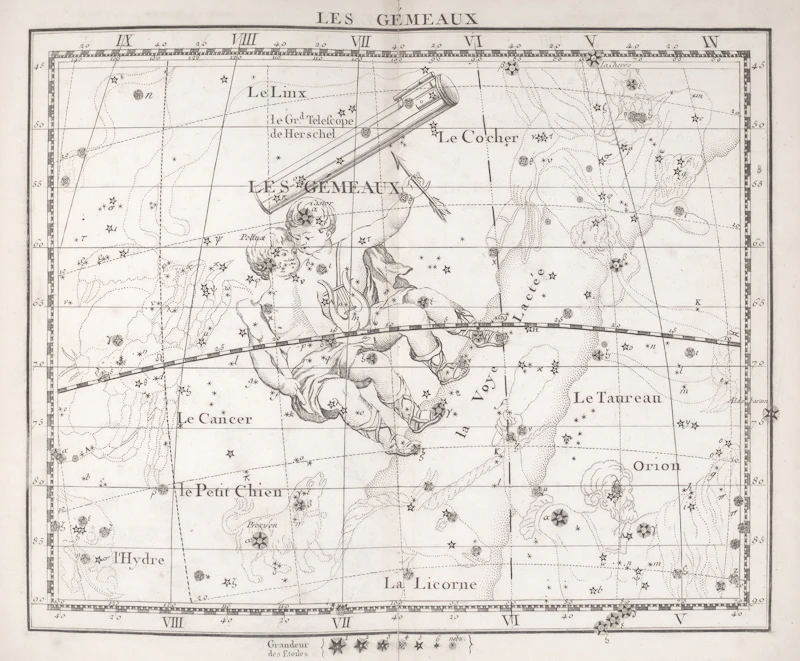
The most dangerous tactical pattern on the celestial board: a single piece threatening two squares simultaneously. Gemini splits the grid in half — and for three weeks, every move you make is actually two moves. We are gathering to document which version of the board is real and which is the reflection. Bring a mirror. Bring a backup mirror.
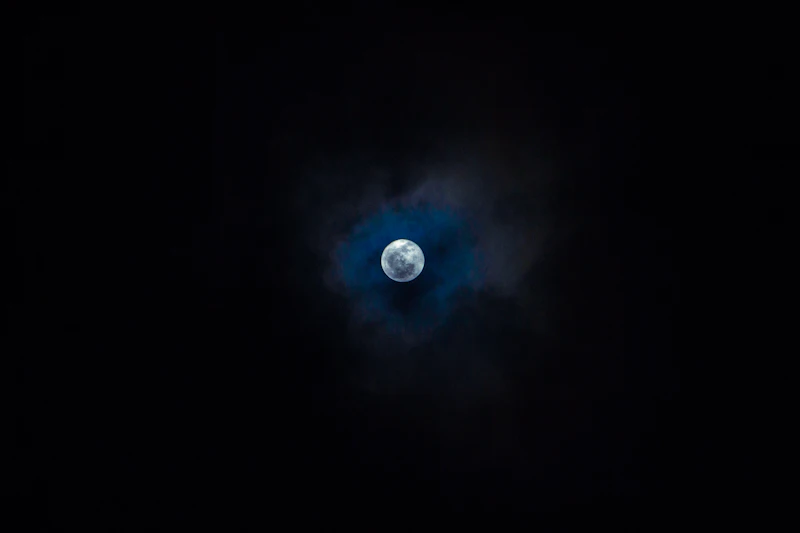
There should only be 12. Every year, the board runs exactly 12 full cycles — one per month, clean, predictable, controlled. But this year the board has miscounted. A 13th piece has appeared on May 31st, and it is not supposed to be here. Worse: it is the smallest piece we have ever recorded — distant, cold, and technically a Micromoon — yet it is the one that broke the count. We are convening to ask the only question that matters: if the board can generate an unauthorized 13th piece, what else has it been hiding?
June 2026(1)
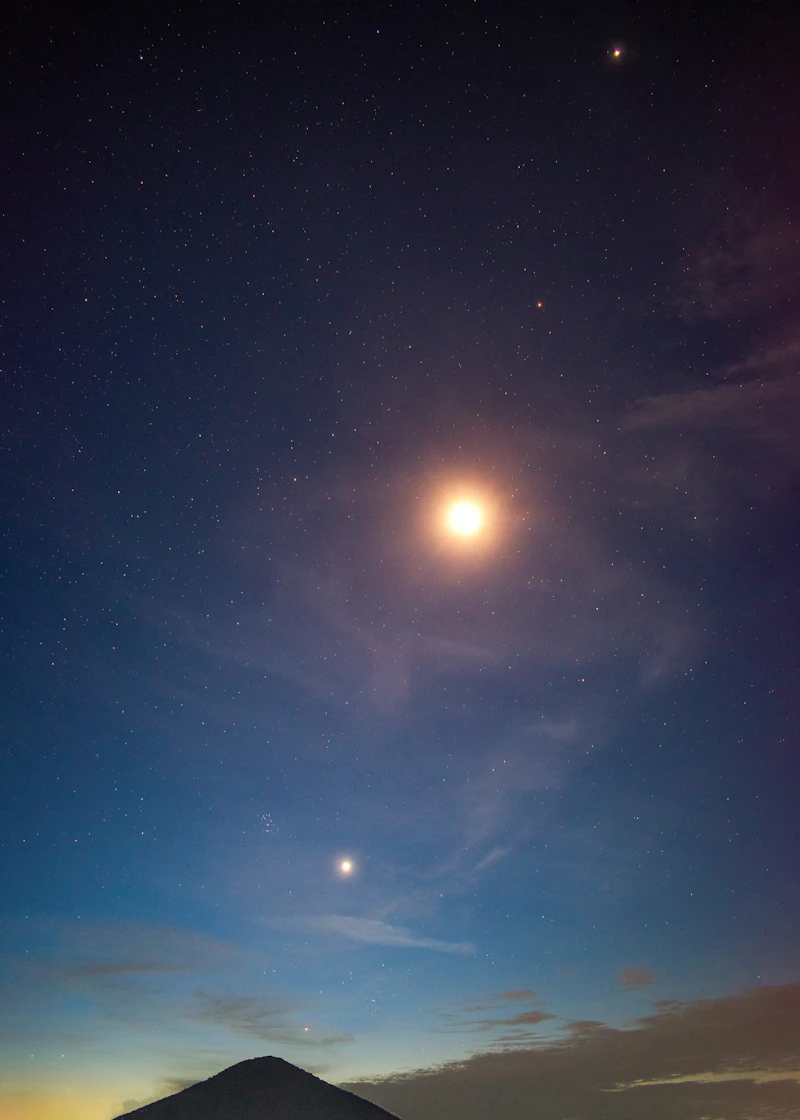
Three heavy pieces. One square. On the evening of June 9th, Venus and Jupiter close to within 1°30′ of each other — the two brightest planets in the sky, nearly touching. But that is not the anomaly. The anomaly is Mercury, sitting between them and the horizon, too fast and too faint and too close to the Sun to be trusted. Three pieces in the same corner of the board. This formation has no name in standard play because standard play says it should not happen. We are here to witness it, name it, and argue about what it means for the rest of the game.
July 2026(1)
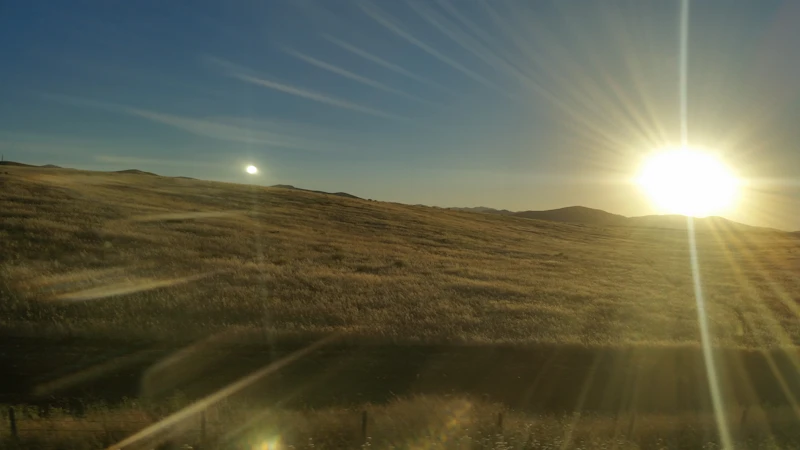
On July 6th, something quietly wrong happens: Earth reaches Aphelion — its farthest point from the Sun all year, 152 million kilometers out, still moving but drifting. The board is running from its own light source and calling it an orbit. We are convening to observe this in the only way that makes sense: by looking up at the Sun's diminished disk, then turning around to face the dark — where a sungrazing comet, C/2026 A1 (MAPS), may or may not still be alive. Sungrazers are unpredictable. Some disintegrate. Some flare. We do not know which one this is yet. That is why we are watching.
August 2026(2)
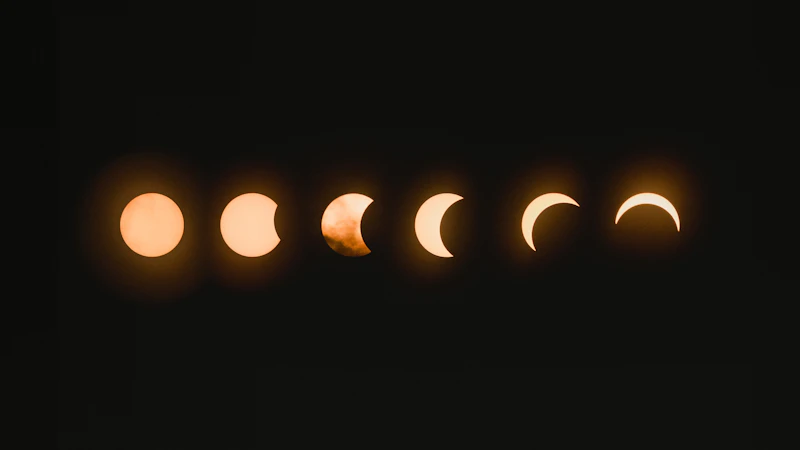
The board goes dark and pieces start falling simultaneously. On August 12th, a Total Solar Eclipse erases the primary light source mid-game — and on the same night, the Perseids peak at up to 150 meteors per hour. This is not a coincidence. This is the opening move of The Reckoning. We do not know what the board looks like in the dark. Tonight we find out.
A piece is almost captured — but not quite. On August 27th, over 90% of the Moon falls into Earth's shadow. The board held its breath. The piece survived. But a piece that survives a near-taking is not the same piece it was before. We are convening to examine what changed in that 10% that never went dark — and what it means that the board chose not to finish the move.
September 2026(1)
The board resets for the second time this year. In March, the Ram forced a violent reload. The Autumn Equinox is different — slower, colder, deliberate. This is not a wipe. This is a judgment. Every piece that survived the Spring reset has now been on the board for six months. Tonight, the board evaluates what earned its square — and what has been holding on without justification. The Harvest Moon rises to illuminate the results.
October 2026(1)
Two events. Four days apart. October 4th: Saturn reaches opposition — the slowest major piece on the board stands directly opposite the Sun, fully illuminated, refusing to move. October 6th: the Moon erases Jupiter in the early morning hours. The patient piece and the powerful piece, confronted back to back. One is exposed. One is taken. We are watching both — and asking which strategy actually wins.
November 2026(1)
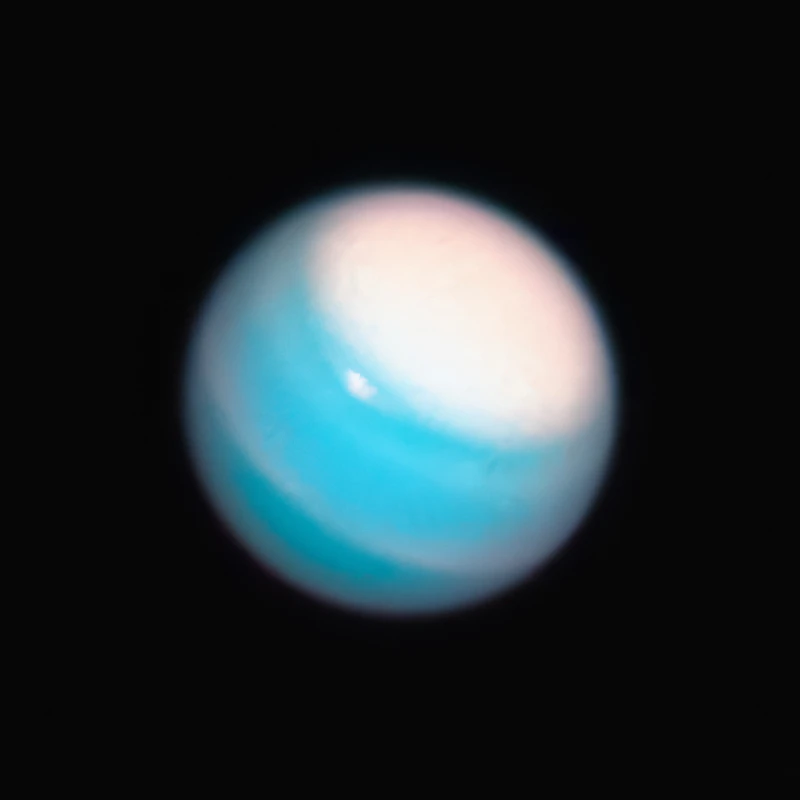
Uranus has been on this board the entire time. You could not see it. It has been sitting in a square you walked past every night for years, too dim to register, too distant to track without the right tools. On November 25th, it reaches opposition — its closest point to Earth, its brightest moment of the year. The hidden piece is finally visible. We are gathering to ask the only question that matters: if Uranus was always there, what else have we been missing?
December 2026(2)
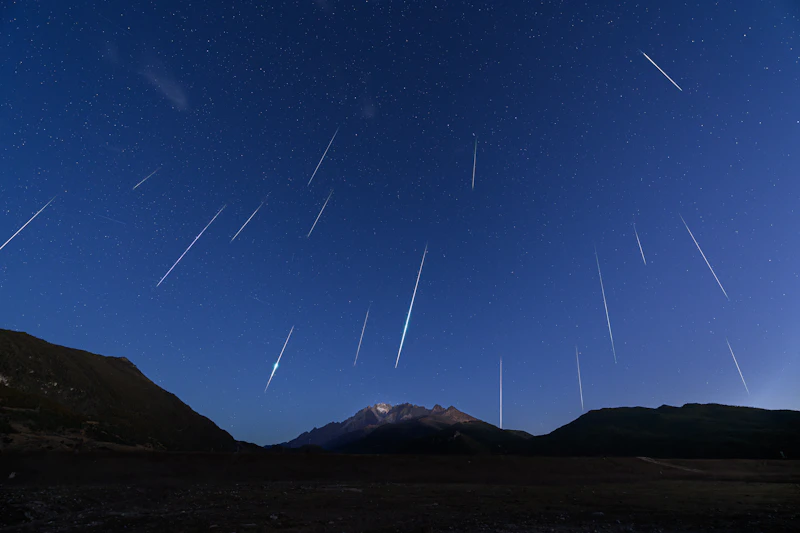
The board is being swept. On December 13th and 14th, the Geminids deliver up to 150 pieces per hour — the most intense clearing event of the year, generated not by a comet but by an asteroid: 3200 Phaethon. A rock, not ice. The board is removing pieces with something harder and more permanent than usual. This is not cleanup. This is a decision. We are here to count what gets taken, document what survives, and prepare our final assessments before the board goes dark for the solstice.
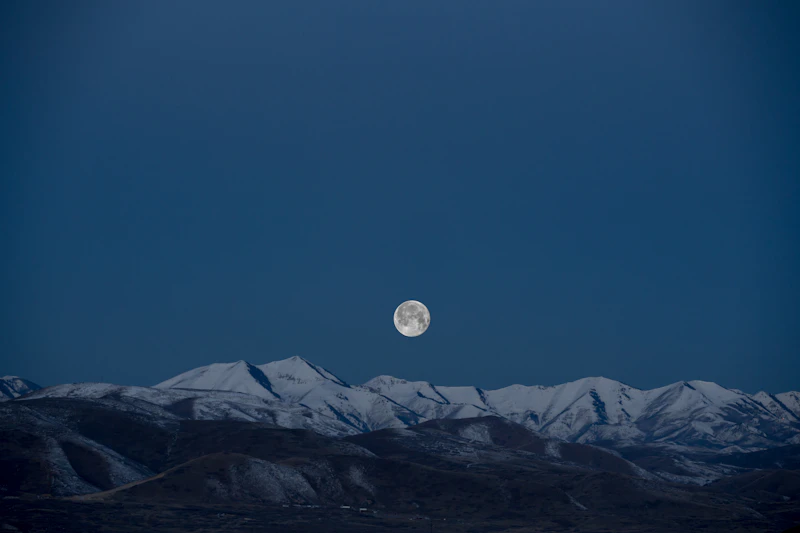
The longest night of the year, followed two days later by the year's final supermoon — the Cold Moon, the Long Nights Moon, the Moon Before Yule. The board has been running since January. It has generated 13 full moons, two eclipses, one comet, one hidden planet, one near-taking, and more shifted pieces than we have had time to document. On December 21st, the game reaches its terminal position. On December 23rd, the final piece reaches maximum size and brightness. We gather to close the log, file our final reports, and ask the question the board has been building to all year: what does the game look like now that we have seen the whole of it?